Basement Drainage in Milwaukee, WI
Most wet basements start with water that has nowhere better to go. In Milwaukee, Wisconsin, one request through this free referral service reaches a single independent local contractor, who traces the gutters, the yard and the floor, then lays out options and prices in writing.
Not sure if we cover your area? Check now ↓
Basement Estimate Request
Takes about 30 seconds. One local contractor gets it and contacts you.
Your details go to one independent contractor who works around Milwaukee, WI, and that contractor gets in touch with you directly. See our Referral Marketing Disclosure.
Interior Perimeter Drains
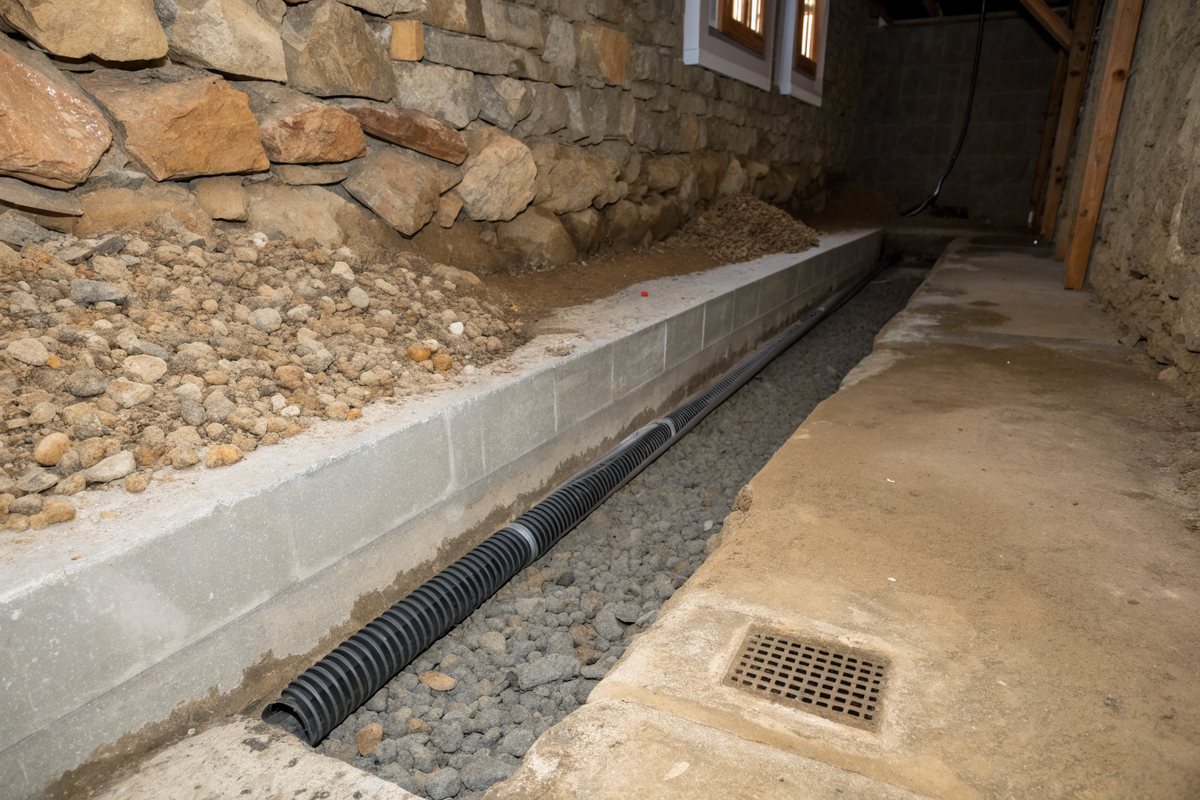
When water keeps reaching the floor, an interior perimeter drain catches it from inside. A narrow strip of slab is cut out along the wet walls, perforated pipe goes into washed stone, and the pipe slopes to a sump that pumps the water outdoors. No yard is dug up, which can suit older brick, block, poured and stone foundations.
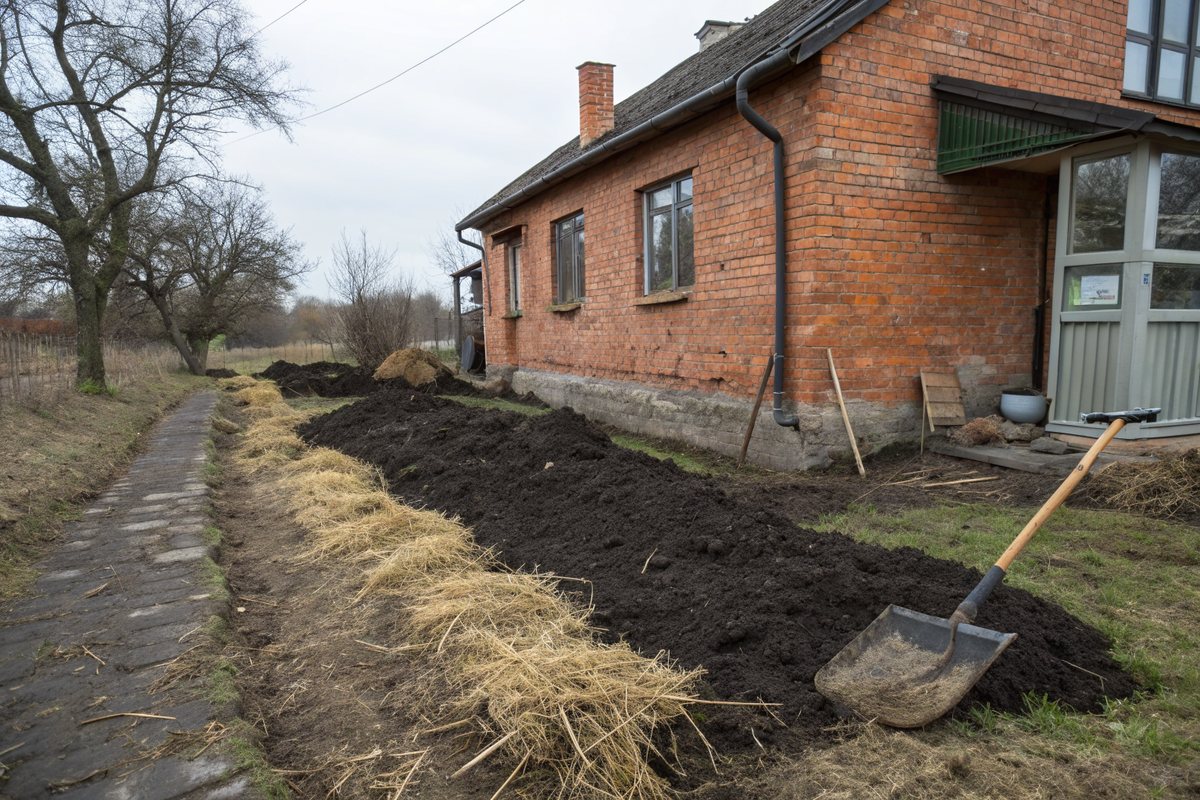
Outside, a footing drain does similar work at the foundation's base, and a French drain uses a gravel-filled trench to catch water on its way across the yard, provided the lot has somewhere lower to empty.
Soil sets the pace. USGS describes the region's Oak Creek Formation as glacial till and lake clay mixed with sand and gravel; clay can hold rain against a wall for days, and coarser layers can carry groundwater toward it.
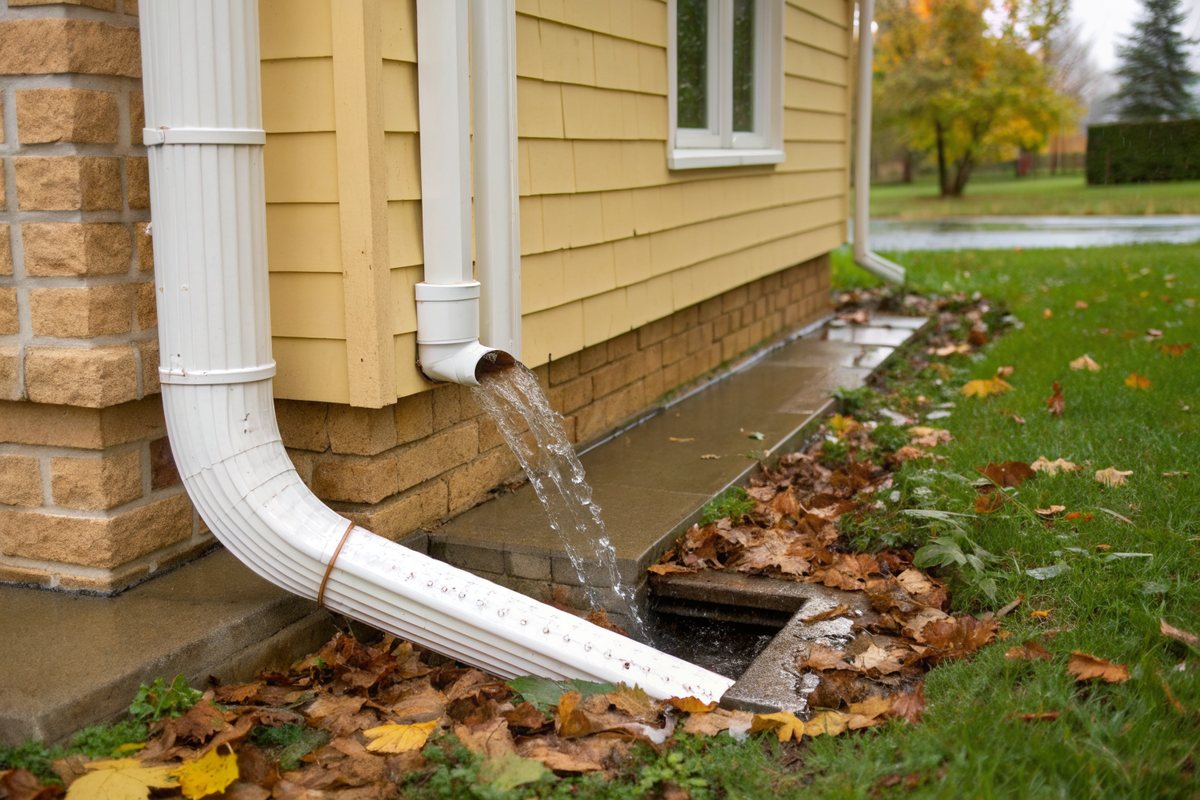
Drainage really starts at the gutters. By the City's count, one downspout feeding the sewer can push up to 12 gallons a minute into it, so downspouts, sump lines and footing drains all stay out of the sanitary sewer.
About a third of Milwaukee, the older core that DPW maps from Capitol Drive south to Oklahoma Avenue and from the lake west to N. 60th Street, has combined pipes carrying storm water and wastewater together; the five nearby towns have separate sanitary sewers. In that core, the City's Downspout Disconnection Program applies an MMSD rule requiring disconnection at homes of up to four units with enough green space. Ask DPW at 414-286-CITY (2489), and check with your city or village first.
The Usual Scenarios
What It Usually Costs
| Cost row | Figure | Source (year) |
|---|---|---|
| Typical basement waterproofing project | about $3,000 to $10,000 (average about $5,000) | Fixr national (2026) |
| Interior perimeter drain, per linear foot | $40 to $120 | Fixr national (2026) |
| Sump pump installation | $600 to $2,500 | Fixr national (2026) |
| Epoxy crack injection, per crack | $250 to $1,000 | Fixr national (2026) |
| Waterproof paint or sealant, per sq ft | $1 to $8 | Fixr national (2026) |
These are national figures; no cost survey covers Wisconsin or Milwaukee alone. Tile is billed by length, so one wall runs far less than the whole floor, while gutter and grading work usually carries one job price. Backwater valves, lateral repairs and sewer tie-ins are plumbing that a licensed plumber prices separately. The cost calculator and the cost guide have more.
The Work, Start to Finish
- Watch the next storm. Note where water pools outside and where it appears inside.
- Outside first. The contractor usually checks gutters, downspout outlets and yard slope before the floor.
- A written plan. Walls covered, feet of pipe, where each outlet ends, materials and the total.
- Permits. Excavation, foundation and structural work in Milwaukee may require a City permit, and sewer or plumbing work a plumbing permit in a licensed plumber's name. The contractor confirms the list by checking with (414) 286-8210 at the Permit & Development Center; each nearby town handles its own.
- The next heavy rain. That is the real check.
Why Start With One Request
Your request goes to one independent local contractor and costs you nothing; you get nothing for it either, and that contractor may pay this site a flat advertising fee. This site digs no trenches.
Before signing, ask which permits apply; the contractor should file them, and they should be issued before work starts. Ask for lien waivers as you pay, and hold the final payment until the work is done. Complaints go to the DATCP Consumer Protection Hotline, (800) 422-7128.
Common Questions
Should I fix the outside before paying for drain tile?
Often, yes. Clean gutters, longer extensions and soil that slopes away cost less than interior pipe. If the floor still gets wet after a full year of rain and thaw, ask how much tile each wet wall would take, since length sets most of the price.
Water rose through the floor drain. Is that a drainage problem?
More likely a sewer one; MMSD names excess water in the sewers as the main reason for backups. Its Deep Tunnel, about 28 miles of storage for about 521 million gallons, cuts overflows, yet even that ran full during the August 2025 storm, so it doesn't prevent every backup. City addresses report in-home backups to DNS at 414-286-2268; towns contact their own office.
Who looks after the sewer lateral?
The owner. DPW puts building and repairing the house lateral on the property owner, handling only the connection at the City main. Lateral trouble is work for a licensed plumber with a permit, and so is any backwater valve.
What is the City's PPII program?
PPII (private property inflow and infiltration) is the City of Milwaukee's own voluntary program, run at no cost to residents in neighborhoods the City selects for heavy clear-water inflow. Past rounds lined laterals and rerouted foundation drains to new sump systems, using the City's own contractors.
You May Also Need
Interior tile has to empty somewhere, which is where sump pump installation comes in; a lone damp patch may suit basement leak repair or foundation crack repair, and the entire space full basement waterproofing.
Ready to Redirect the Water?
Describe in the form which wall gets wet, where the yard holds water and what seems to bring it on. One independent local contractor working in Milwaukee follows up about a visit and writes down any price; the decision stays with you. Sending the form is all it takes.